15min.lt RSS - suprasti akimirksniu | RSS
Rumunijoje tiriamas galimas drono smūgis tanklaiviui prie šalies krantų
Rumunijos pareigūnai aiškinasi galimą naują drono ataką prieš tanklaivį Juodojoje jūroje prie šios šalies krantų.
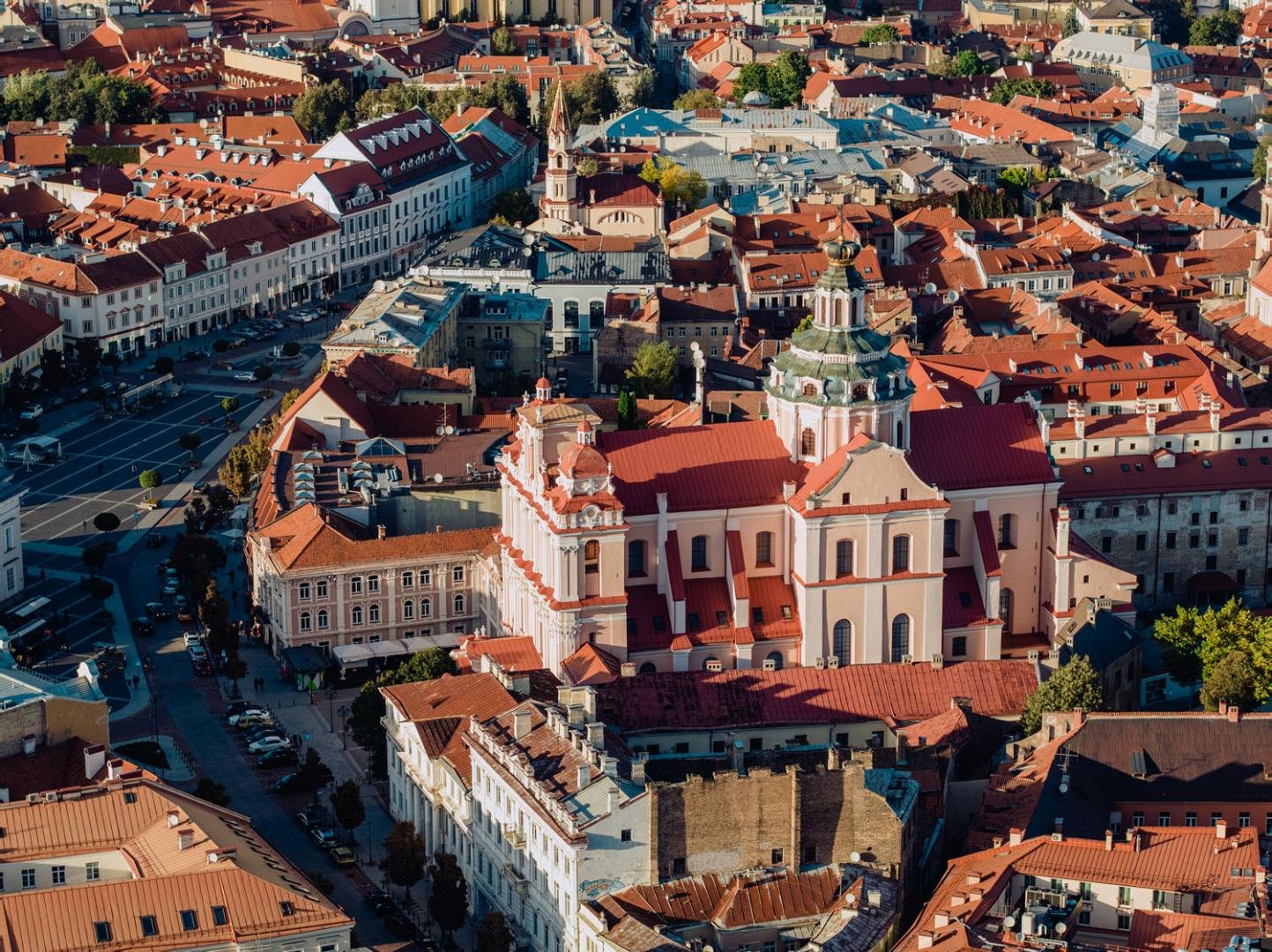

Lithuania, officially the Republic of Lithuania, is a country in the Baltic region of Europe. It is one of three Baltic states and lies on the eastern shore of the Baltic Sea, bordered by Latvia to the north, Belarus to the east and south, Poland to the south, and the Russian semi-exclave of Kaliningrad Oblast to the southwest, with a maritime border with Sweden to the west. Lithuania covers an area of 65,300 km2 (25,200 sq mi), and has a population of 2.9 million. Its capital and largest city is Vilnius; other major cities include Kaunas, Klaipėda, Šiauliai and Panevėžys. Lithuanians are the titular nation, belong to the ethnolinguistic group of Balts, and speak Lithuanian.
Vilnius, Kaunas, Trakai, Klaipėda, the Curonian Spit, Nida, Druskininkai, Šiauliai, and real life across Lithuania in 4K
Real YouTube travel footage with working watch links for every video.
Old Town, Cathedral Square, river walks, and capital-city atmosphere.
Historic city streets, castles, lakes, and central Lithuania travel scenes.
Port-city walks, seaside views, Melnragė Beach, and Baltic charm.
Curonian Spit scenery, spa-town calm, and the Hill of Crosses region.
This Lithuania video page is built for visitors who want real places, real streets, and real travel footage. It focuses on the most searched destinations in Lithuania, including Vilnius, Kaunas, Trakai, Klaipėda, the Curonian Spit, Nida, Druskininkai, and Šiauliai.
A real walking tour through Vilnius showing Old Town streets, historic landmarks, and everyday life in Lithuania’s capital.
A summer Vilnius tour with city center views, scenic streets, and a bright travel atmosphere.
A detailed Old Town walk through Vilnius with medieval streets and a classic European feel.
A short but immersive 4K walk through Vilnius, filmed in smooth 60fps.
A 2025 Vilnius walking tour with captions, city streets, and river-side views.
A downtown Vilnius walk showing central streets and the city’s modern travel atmosphere.
A clean 4K 60fps walk through Vilnius with city sounds and strong street-level detail.
A Vilnius tour centered on Cathedral Square and the Old Town area.
A scenic walking video through Vilnius Old Town with historic streets and a relaxed travel feel.
A highly detailed Vilnius Old Town walk with historic architecture and captions.
A real walking tour through Kaunas Old Town showing historic streets and central landmarks.
A 4K Kaunas walk with Old Town views, streets, and a classic Lithuanian city atmosphere.
A detailed Kaunas Old Town walk filmed in 4K resolution.
A city walk through Kaunas with a broad look at downtown streets and urban life.
A daytime Kaunas walk with bright streets, city details, and 4K HDR footage.
An evening walk in Kaunas city center with warm light and calm urban scenery.
A winter Kaunas walk showing the city center in cold-weather conditions.
A travel walk through Kaunas city center with a mix of historic and modern streets.
A broad Kaunas walking tour covering city streets and a well-known travel route.
A cinematic Kaunas tour with a smooth walk-around style.
A peaceful walking tour through Trakai with lakeside scenery and the famous island castle.
A scenic Trakai tour showing castles, lakes, and the town’s unique Karaim heritage.
A relaxing walk around Trakai with the island castle and clear lake views.
Aerial footage over Trakai Castle showing one of Lithuania’s most famous landmarks.
A walk near Trakai Castle with scenic paths and historic atmosphere.
A detailed walking tour of Trakai Island Castle and its surrounding lake landscape.
A simple 4K travel clip from Trakai and the island castle area.
A clean 4K look at Trakai with castle and water views.
A walking tour through Klaipėda Old Town showing the port city’s streets and city-center atmosphere.
An immersive Klaipėda walking tour with the charm of Lithuania’s coastal city.
A cloudy summer Klaipėda walk showing the port city’s relaxed vibe and waterfront character.
A charming Old Town walk in Klaipėda with city sounds and historic streets.
A clean look at Klaipėda Old Town with a simple travel-video style.
A broad Klaipėda walk through the city center, old town, and park areas.
A seaside Klaipėda video focused on Melnragė Beach and the Baltic coast.
A summer Klaipėda walking tour with port-city views and a relaxed pace.
A scenic coastal video covering Klaipėda and the Curonian Spit.
A scenic film from the Curonian Spit showing dunes, coast, and peaceful natural landscapes.
A calm summer drive along the Curonian Spit with beautiful coastal scenery.
A walking exploration of the Curonian Spit’s forests, dunes, and UNESCO landscape.
A 4K video focused on the Grey Dunes of the Curonian Spit.
A walk and bike exploration of Curonian Spit National Park, a UNESCO World Heritage site.
A travel video from Nida on the Curonian Spit with dunes and coastal scenery.
A relaxing walk through Nida showing the resort town and the path toward Parnidis Dune.
A Nida walking tour from the center toward the House of Thomas Mann.
A simple 4K look at Nida with the calm feel of the Curonian Spit.
A family vacation video from Nida with beach, town, and Curonian Spit views.
A beach walk in Nida showing the Baltic shore and dune-side scenery.
A walking tour of Druskininkai, Lithuania’s spa capital, with main streets and resort atmosphere.
A 4K/60 walking tour through Druskininkai city center.
A 2023 walk through the Druskininkai center in crisp 4K.
A look at the main streets of Druskininkai and the Grand SPA Lietuva area.
A nighttime Druskininkai walk showing the spa-town atmosphere after dark.
A 4K travel look at Druskininkai with relaxed resort-town scenes.
A first part of a Druskininkai walk with local city scenes.
A simple walk through Druskininkai showing everyday life in the spa town.
An evening walk in Šiauliai with rainy, atmospheric city scenes.
A 4K HDR visit to the Hill of Crosses near Šiauliai, one of Lithuania’s most iconic pilgrimage sites.
A snowy Šiauliai walk centered on the Hill of Crosses and its dramatic winter scenery.
A street walk through Šiauliai showing the city in real time.
A travel guide to Šiauliai with city highlights and northern Lithuania context.
A straightforward street walk through Šiauliai with a real local atmosphere.
A spiritual travel journey through Lithuania with a focus on the Hill of Crosses and related sights.
A broad drone and travel collection covering multiple Lithuanian places.
A mixed Baltic drone tour that includes Lithuania-style city travel footage and regional scenery.
A rail/travel-style Lithuania clip with local transit atmosphere.