Estonia and Iraq are two countries that have distinct natural resources, with both nations having significant reserves of oil, gas, and minerals. While Estonia is known for its oil shale deposits and Iraq for its vast oil reserves, these resources play a crucial role in the economic development of both countries.
Category : | Sub Category : Posted on 2025-11-03 22:25:23
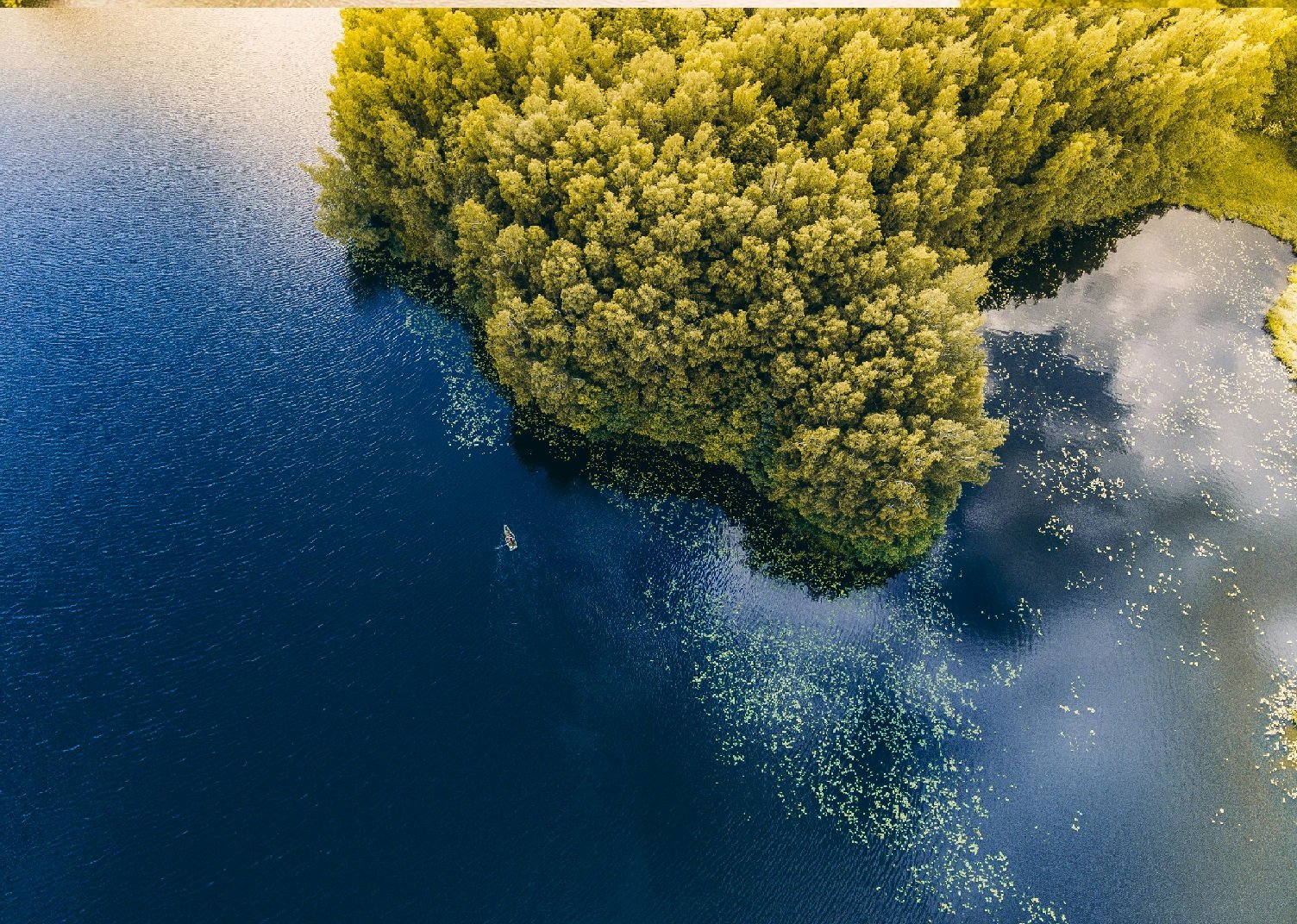
Estonia, a small Baltic nation, is unique in that it does not have traditional oil and gas reserves like many other countries. Instead, Estonia relies heavily on oil shale, a sedimentary rock that contains organic matter and can be converted into oil through a process called pyrolysis. The country has the largest oil shale deposits in the world and has been extracting oil from shale since the early 20th century. Oil shale has become a significant source of energy for Estonia, providing a reliable domestic energy supply. On the other hand, Iraq is one of the world's largest producers of oil, with vast reserves that have made the country a key player in the global oil market. The country's oil industry has been the backbone of its economy for decades, with oil revenues accounting for a significant portion of the government's budget. Iraq also has untapped natural gas reserves, which have the potential to further boost the country's energy sector. In terms of minerals, both Estonia and Iraq have diverse resources that contribute to their economies. Estonia is known for its rich mineral deposits, including phosphorite, limestone, and clay. These minerals are used in various industries, such as construction, agriculture, and manufacturing. Iraq, on the other hand, has significant reserves of minerals like sulfur, phosphate, and gypsum, which are essential for industries such as fertilizers and chemicals. Overall, the natural resources of oil, gas, and minerals play a crucial role in the economic development of both Estonia and Iraq. While Estonia relies on oil shale for its energy needs, Iraq's vast oil reserves have made it a major player in the global oil market. Additionally, the diverse mineral resources of both countries contribute to their respective economies and industries. Understanding and effectively managing these natural resources are essential for the sustainable development of Estonia and Iraq in the future. Dive into the details to understand this topic thoroughly. https://www.unifil.org For more information: https://www.assyrians.net also this link is for more information https://www.indicazioni.com also visit the following website https://www.toabudhabi.com To understand this better, read https://www.cruzar.org Seeking expert advice? Find it in https://www.toalgeria.com If you are interested you can check the following website https://www.abandonar.org For comprehensive coverage, check out https://www.culturelle.org Check the link: https://www.departements.org also click the following link for more https://www.syrien.org Have a look at https://www.ncciraq.com For a different perspective, see: https://www.todamascus.com For more information: https://www.libyainfo.com
Leave a Comment:
SEARCH
Recent News
- Zurich, Switzerland, and Estonian Startups: A Growing Connection
- Zurich, Switzerland: A Hub for Estonian Music
- Zurich, Switzerland is known for its vibrant food scene, offering a wide range of international cuisines to satisfy any palate. However, one often overlooked cuisine in Zurich is Estonian cuisine. The flavors and ingredients of Estonian dishes may not be as well-known as other European cuisines, but they offer a unique and delicious dining experience for those willing to explore.
- Zurich, Switzerland and Estonian Business: A Match Made in Innovation
- Zurich, Switzerland: A Hub for the Estonian Blockchain Industry
- YouTube Content Creation and Translation in Estonian Startups
- YouTube Content Creation and Translation: Estonian Music
- Are you looking to expand your YouTube content creation to reach a wider audience? One effective strategy is to explore different cultures and cuisines, such as Estonian cuisine. In this blog post, we will discuss how you can create engaging content by focusing on Estonian cuisine and the importance of translation to reach a global audience.
READ MORE
10 months ago Category :

Zurich, Switzerland, and Estonian Startups: A Growing Connection
Read More →10 months ago Category :

Zurich, Switzerland: A Hub for Estonian Music
Read More →10 months ago Category :

Zurich, Switzerland is known for its vibrant food scene, offering a wide range of international cuisines to satisfy any palate. However, one often overlooked cuisine in Zurich is Estonian cuisine. The flavors and ingredients of Estonian dishes may not be as well-known as other European cuisines, but they offer a unique and delicious dining experience for those willing to explore.
Read More →10 months ago Category :
